Expertise
Historical reenactment with AI.
Recreating a period means choosing a point of view on an event. Locations, objects, gestures and staging serve the narrative, with a clear distinction between archival material and newly created images.
Define what the images need to tell.
Work starts with the subject, available sources and the sequence’s role in the film. A reenactment can show a vanished location, a poorly documented moment or a scene chosen by the script. The shot breakdown establishes what each image contributes.
Build period consistency.
Architecture, costumes, props, transport and lighting need a coherent approach. References and visual tests help assess the result against the intended context. Documentary details requiring review are identified with the project’s editorial team.
Make the shots part of a film.
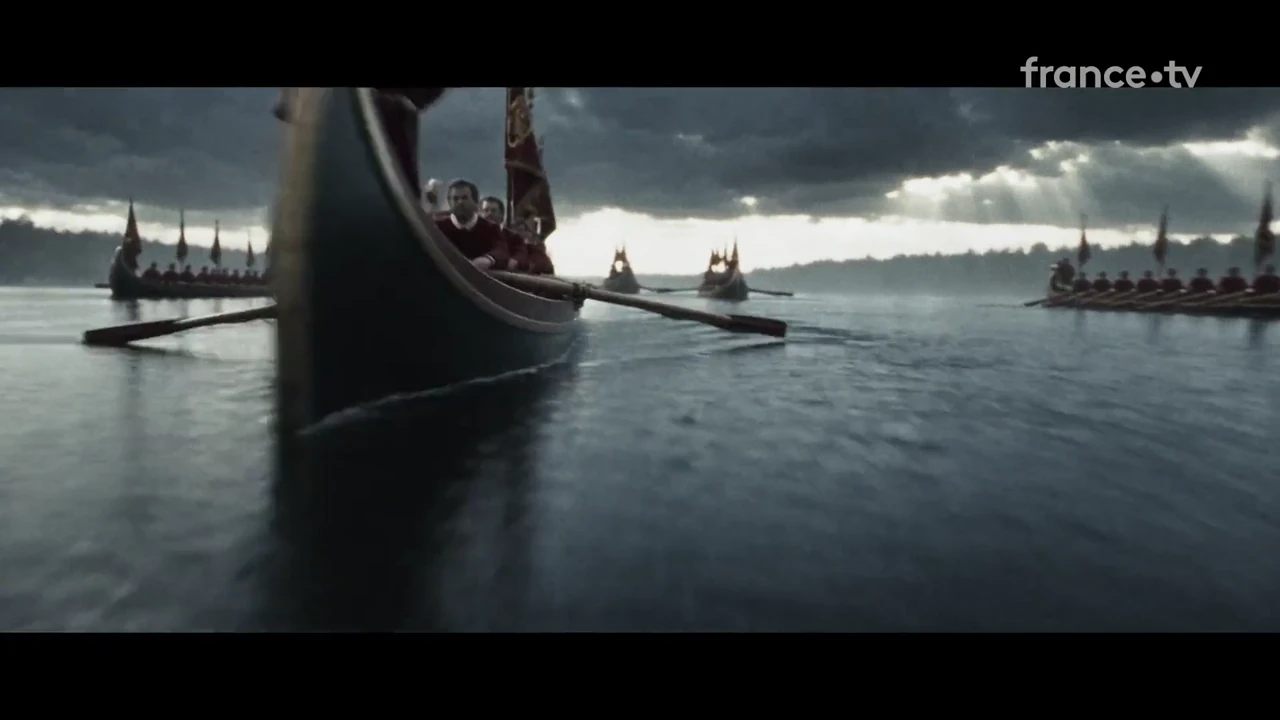
The sequence needs to work with the edit, narration, any archival material and sound. Les Faussaires’ naval reconstruction shots featured in La grande Histoire de la Marine, broadcast in prime time on France 2 on October 13, 2026. The project page describes this contribution and links to the full documentary replay.
Selected films.
Questions.
Is a reenactment archival footage?
An image created to depict the past is a reenactment. Its presentation and relationship to archival material should be agreed with the production and editorial team.
Can you work from photographs and documents?
Photographs, plans, maps and references can guide the work. Their documentary value, limitations and usage conditions need to be reviewed before production.
How do the images fit into a documentary?
The brief defines runtime, narrative, editing constraints and deliverables. Tests establish the visual direction before the shots are created and integrated into the film.
Let’s talk about your project.
Tell us the subject, intended uses and delivery date, with an estimated runtime or shot count. We can then define the scope and next steps.
Send a brief